
Restraining Order Lawyer for Orders of Protection in NJ
Experienced Legal Representation for Restraining Orders, Domestic Violence Cases, and Protective Relief in New Jersey
When your safety or the safety of your family is at risk, an order of protection can provide the legal barrier you need. In New Jersey, orders of protection — commonly referred to as restraining orders — serve as court-issued directives that restrict an individual from making contact, approaching your home, or engaging in threatening or harmful behavior. Whether you are dealing with domestic violence, harassment, stalking, or intimidation from a spouse, partner, or household member, the legal process for obtaining protection can feel overwhelming — especially during an already difficult time. At Konzelmann Law, our recognized family law attorneys in Ridgewood, NJ help clients navigate every stage of the restraining order process with clarity, discretion, and the depth of experience your case demands.
Home > Mediation > Prenuptial Agreement
Understanding Orders of Protection and Restraining Orders in New Jersey
New Jersey law provides protective relief to victims of domestic violence under the Prevention of Domestic Violence Act. An order of protection — often used interchangeably with the term restraining order — is a legal instrument issued by the court that prohibits an abuser from contacting, threatening, or coming near the protected individual. These orders can also address temporary child custody, exclusive possession of a shared residence, and financial support while the case is pending.
There are two primary types of restraining orders in New Jersey:
- Temporary Restraining Order (TRO): A TRO can be granted on an emergency basis, often on the same day a complaint is filed. During court hours, you file through the Family Division of the Superior Court. After hours, on weekends, or on holidays, a TRO can be obtained through municipal court or law enforcement. A TRO provides immediate, short-term protection until a hearing for a Final Restraining Order can be scheduled.
- Final Restraining Order (FRO): A hearing for a Final Restraining Order is typically scheduled within ten days of the TRO being issued. At this hearing, the court evaluates the evidence and testimony to determine whether ongoing protection is warranted. If granted, an FRO in New Jersey does not expire — it remains in effect indefinitely unless the protected party requests its dismissal or the court modifies it.
Understanding which type of order applies to your situation and how to present your case effectively is critical. The legal team at Konzelmann Law is prepared to guide you through both the emergency and long-term phases of the protective order process.

Who Needs an Order of Protection in New Jersey?
Orders of protection are not limited to married couples going through a divorce. New Jersey law extends eligibility to a broad range of relationships. You may be eligible to file for a restraining order if the person you need protection from is:
- A current or former spouse
- A current or former dating partner
- A household member or someone you share a living arrangement with
- A co-parent of your child
- Any person with whom you have had an intimate relationship
Domestic violence in New Jersey encompasses more than physical assault. The Prevention of Domestic Violence Act covers offenses including harassment, threats, stalking, criminal mischief, sexual assault, false imprisonment, and other acts that place a victim in fear of harm. If you are experiencing any of these circumstances, seeking legal protection is not an overreaction — it is a right afforded to you under New Jersey law.
Prenuptial Agreements
> Adoption
> Asset Protection
> Financial Disclosure
> Marital Debt
> Spousal Support
> Business Interests
> Separate vs Marital Property
> Alimony Provisions
> Retirement Benefits
> Inheritance Rights
> Legal Enforcement
> Divorce Planning
> Same Sex Marriage
> What is a Prenup?
Orders of Protection During Divorce Proceedings
Domestic violence and divorce frequently intersect. If you are going through a divorce and face threats, intimidation, or abuse from your spouse, an order of protection can serve as a critical safeguard during what is already a volatile and emotional process. A restraining order issued during divorce proceedings can impact several important aspects of your case, including temporary child custody arrangements, parenting time, exclusive use of the marital home, and interim financial support.
At Konzelmann Law, our attorneys have extensive experience handling divorce and family law cases where domestic violence is a factor. We understand how protective orders interact with equitable distribution, alimony, and custody determinations, and we work to ensure that your safety and your legal interests are addressed together — not treated as separate matters.

How to Get an Order of Protection in New Jersey
Obtaining an order of protection in New Jersey begins with filing a domestic violence complaint. During regular court hours, you can file your complaint at the Family Division of the Superior Court in the county where you reside, where the domestic violence occurred, or where the defendant lives. After court hours, on weekends, and on holidays, complaints can be filed through local law enforcement or the municipal court.
Once the complaint is filed, a judge reviews the allegations and may issue a Temporary Restraining Order on the same day. You do not need an attorney to file a TRO, but having experienced legal counsel from the start can strengthen your case and help you prepare for the Final Restraining Order hearing that follows. During the FRO hearing, both parties have the opportunity to present evidence, call witnesses, and testify. The judge will evaluate whether an act of domestic violence occurred and whether a Final Restraining Order is necessary to protect you going forward.
Working with a knowledgeable family law attorney at Konzelmann Law can make a meaningful difference in how your case is prepared and presented. From gathering documentation to organizing testimony, our team helps ensure that the court has a clear and compelling picture of your situation.
How Long Does an Order of Protection Last in NJ?
One of the most common questions surrounding restraining orders in New Jersey is how long they remain in effect. A Temporary Restraining Order lasts until the Final Restraining Order hearing, which is typically scheduled within ten days. If the court grants a Final Restraining Order, it does not have an expiration date. An FRO in New Jersey remains in effect permanently unless the protected party files a motion to have it dissolved, or the restrained party successfully petitions the court for modification or dismissal.
This is a significant distinction from many other states, where protective orders must be renewed periodically. In New Jersey, the permanence of an FRO reflects the state's strong stance on protecting victims of domestic violence. However, the permanent nature of these orders also means that the FRO hearing carries considerable weight. Having a skilled attorney who understands the standards the court applies and the evidence required to meet them can be instrumental in achieving the protection you need.
What's Required for a Protective Order in New Jersey?
To obtain a restraining order in New Jersey, the court must find that an act of domestic violence has occurred and that a restraining order is necessary to protect the victim. The process requires two essential elements. First, the complainant must demonstrate that the defendant committed one or more of the predicate acts of domestic violence defined by New Jersey law. These acts include assault, terroristic threats, harassment, stalking, criminal restraint, kidnapping, criminal mischief, burglary, criminal trespass, and sexual assault, among others.
Second, the court considers whether there is an ongoing need for protection. This means the judge evaluates the history between the parties, the severity of the alleged conduct, and whether there is a reasonable basis to believe that future acts of violence or harassment may occur. Testimony, police reports, medical records, photographs, text messages, emails, and witness statements can all serve as supporting evidence. The attorneys at Konzelmann Law help clients compile and organize this evidence so that their case is presented as clearly and persuasively as possible.
What Evidence Do You Need to Prove Harassment in NJ?
Proving harassment in the context of a restraining order case in New Jersey requires demonstrating that the defendant engaged in conduct intended to alarm or seriously annoy the victim, and that the conduct served no legitimate purpose. Evidence that can support a harassment claim includes documented communications such as threatening or repeated text messages, voicemails, emails, and social media messages. Screenshots with timestamps, call logs, and records of unwanted contact can all be relevant.
Additional forms of evidence may include police reports from prior incidents, photographs of property damage or injuries, statements from witnesses who observed the behavior, medical records, and any prior history of complaints or legal proceedings between the parties. In some cases, the pattern of behavior matters as much as any single incident — a series of actions that individually may seem minor can, taken together, establish a course of conduct that meets the legal threshold for harassment under New Jersey law.
At Konzelmann Law, we help clients identify, preserve, and present the evidence that matters most. Our attorneys understand what New Jersey courts look for in harassment-related restraining order cases and work closely with clients to build a thorough and well-supported case.
Why Konzelmann Law for Orders of Protection in New Jersey
Choosing the right attorney for an order of protection case is about more than legal knowledge — it is about trust, responsiveness, and a genuine commitment to your well-being. Konzelmann Law has built a reputation for providing personal attention, experienced counsel, and solution-oriented representation in family law and domestic violence matters throughout New Jersey. Our approach starts with listening. We take the time to understand your circumstances, assess your legal options, and develop a strategy that prioritizes both your immediate safety and your long-term interests.
Our firm is recognized for handling sensitive family law matters with discretion and care. When you work with Konzelmann Law, you are working with attorneys who have handled hundreds of family law cases and who understand that every situation is unique. We are committed to keeping you informed, answering your questions promptly, and advocating for the outcome that serves you and your family.
If you or someone you care about needs protection, contact Konzelmann Law at (201) 771-6868 or request a call back through our website. Our office is located at 45 North Broad Street, Ridgewood, NJ 07450.
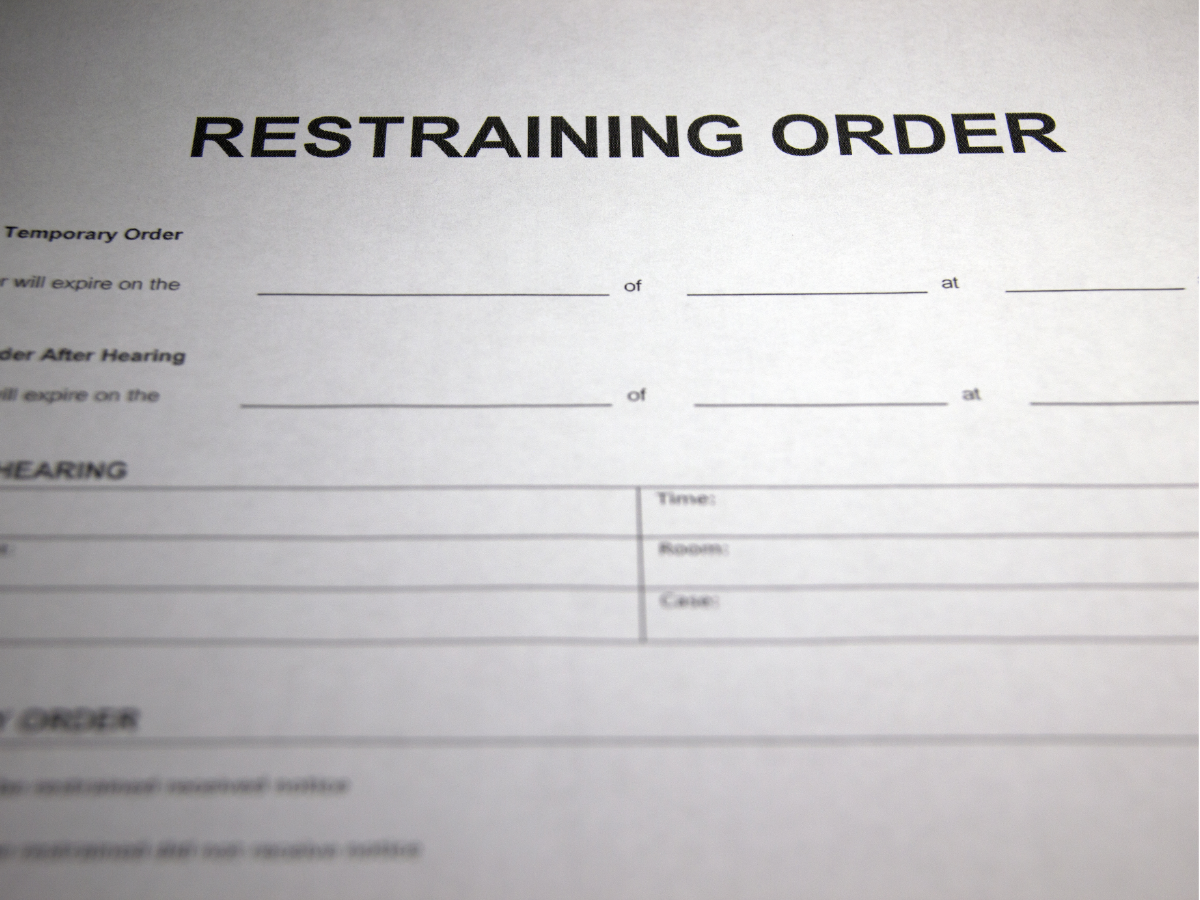

Frequently Asked Questions About Orders of Protection in New Jersey
Can I get a restraining order in New Jersey if I was not physically harmed?
Yes. Physical violence is not the only basis for obtaining a restraining order in New Jersey. The Prevention of Domestic Violence Act recognizes a wide range of predicate offenses, including harassment, stalking, terroristic threats, and criminal mischief. If you have been subjected to conduct that places you in fear for your safety or that is intended to alarm, annoy, or harass you without legitimate purpose, you may be eligible for an order of protection even if no physical contact occurred. The court evaluates the totality of the circumstances, including the nature of the conduct, the relationship between the parties, and whether there is an ongoing need for protection. Speaking with a family law attorney at Konzelmann Law can help you understand whether your experience meets the legal threshold for a protective order in New Jersey.
What happens if someone violates a restraining order in New Jersey?
Violating a restraining order in New Jersey is a serious criminal offense. If the restrained party contacts you, comes to your residence or workplace, or otherwise breaches the terms of the order, they can be arrested and charged with contempt. A violation can result in criminal penalties including fines and incarceration. If you believe your restraining order has been violated, you should contact law enforcement immediately. Documenting each violation thoroughly — including saving any messages, noting dates and times, and filing police reports — strengthens your position and helps ensure that the court takes appropriate action. The attorneys at Konzelmann Law can advise you on how to respond to violations and what legal steps are available to reinforce your protection.
Can a restraining order affect child custody in New Jersey?
Restraining orders and child custody are closely connected in New Jersey family law. When a Final Restraining Order is issued, the court may include provisions addressing temporary custody and parenting time as part of the order. The existence of a restraining order is also a factor that the court considers when making longer-term custody determinations, as the safety and well-being of the child are the court's primary concern. In cases involving domestic violence, the court evaluates whether contact between the restrained party and the child can occur safely, and under what conditions. Konzelmann Law has extensive experience handling cases where orders of protection intersect with custody and parenting time, and our attorneys work to protect both your safety and your parental rights throughout the process.
Do I need a lawyer to file for a restraining order in New Jersey?
You are not legally required to have an attorney to file for a Temporary Restraining Order in New Jersey. However, having experienced legal representation can significantly impact the strength and outcome of your case — particularly at the Final Restraining Order hearing, where evidence is presented, witnesses may testify, and the judge makes a determination about whether permanent protection is warranted. An attorney can help you prepare your testimony, organize your evidence, anticipate potential challenges from the opposing party, and present your case in a clear and compelling manner. Konzelmann Law provides thorough and attentive representation for clients seeking restraining orders and orders of protection throughout New Jersey.
Can a Final Restraining Order be removed in New Jersey?
A Final Restraining Order in New Jersey can be dissolved, but only through a formal legal process. The protected party may file a motion requesting that the FRO be dismissed, or the restrained party may petition the court for removal. When a restrained party seeks dismissal, the court applies a multi-factor analysis that considers the circumstances under which the order was originally entered, whether the restrained party has complied with the order, whether there have been any subsequent acts of domestic violence, and whether the protected party consents to the dismissal, among other factors. The court's primary concern remains the safety of the protected individual. Because the legal standards for modifying or dissolving an FRO are specific and fact-intensive, working with a knowledgeable attorney is strongly recommended. Konzelmann Law can help you understand your options whether you are seeking to maintain, modify, or dissolve an existing order of protection.
See What Our Clients Are Saying...
Joan Thompson, Edgewater, NJ
Danielle Konzelmann has been my attorney for the past 3 years and I could not have managed without him. She fought and ultimately won my child custody case for which I will be forever grateful. Danielle always responds promptly to all of my questions/requests...no matter how big or small. I was extremely lucky to find wise counsel as well as someone to keep me grounded during some of the hardest times of my life. Thank you so much!
- Joan Thompson
John Marks, Fort Lee, NJ
I went through a difficult and challenging divorce. Danielle was very helpful from the first meeting and walked me through this stressful time.
Danielle and her team managed to settle my case in a way that I never believed would be possible. I share joint custody with my son's mother and I couldn't be happier and more grateful for this result!
- John Marks
We Can Help,
Contact Us Today!
The Best Way to Protect Your Future Is to Take Action Now
Call our office at (201) 771-6868 or fill out the form for a call back. Our lawyers are ready to discuss your case in full detail and confidence